
Fans Had Seen the Warning Signs
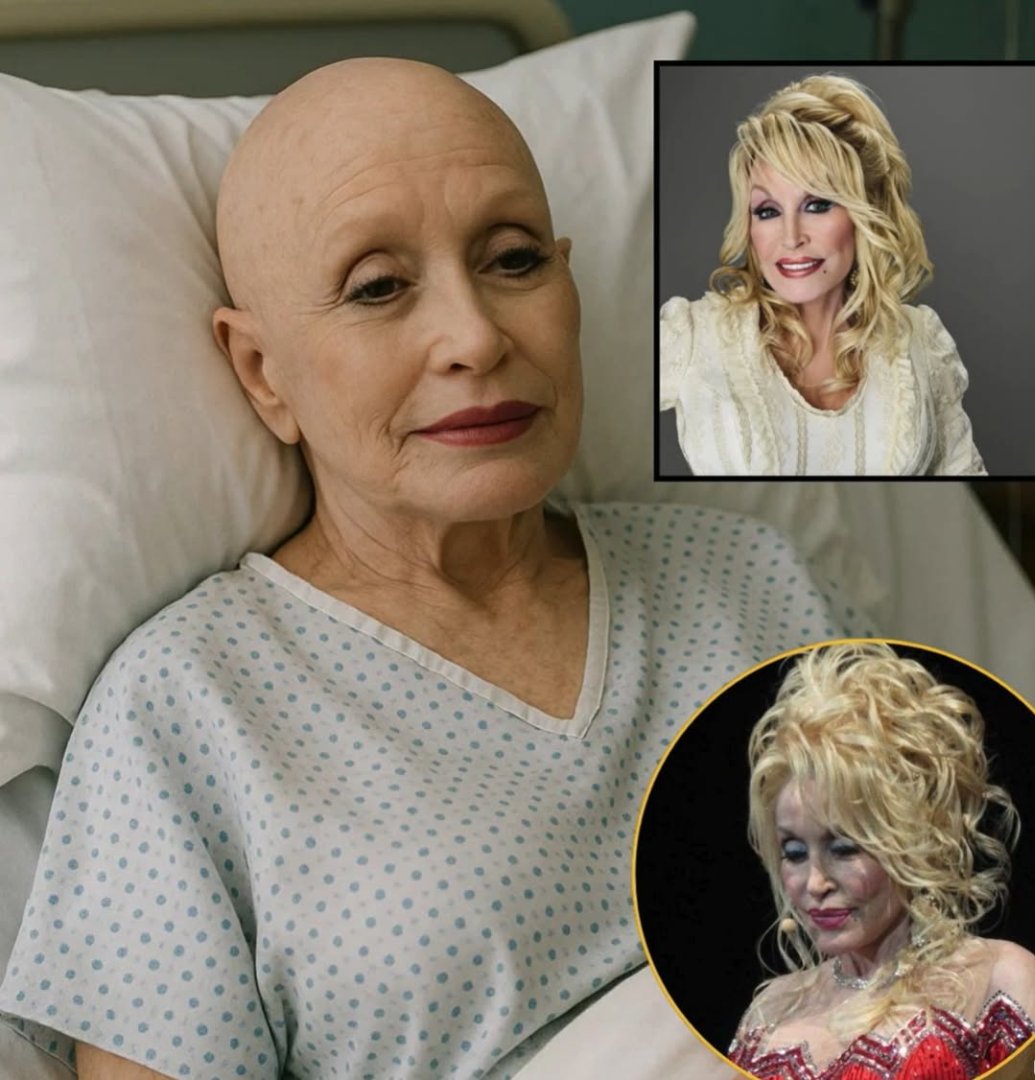
Looking back, some signs were visible.
Dolly began missing events.
Doctors advised her to reduce travel.
She underwent medical procedures.
Her residency plans changed.
She spoke more openly about needing time to recover physically, emotionally and spiritually.
But Dolly also had a remarkable ability to reᴀssure people.
She could discuss serious health problems and somehow still make fans laugh.
That was part of her gift.
She rarely wanted people worrying about her.
Even when she was struggling, she remained focused on what came next.
So when news of her death arrived, the reaction was immediate disbelief.
Millions knew Dolly was dealing with health issues.
Far fewer understood how serious the situation had become.
She Was Still Dreaming Days Before the End
Perhaps nothing captures Dolly’s final chapter better than what she said shortly before her death.
She still had things she wanted to achieve.
At 80 years old.
After decades of No. 1 records.
After movies.
After Grammys.
After Dollywood.
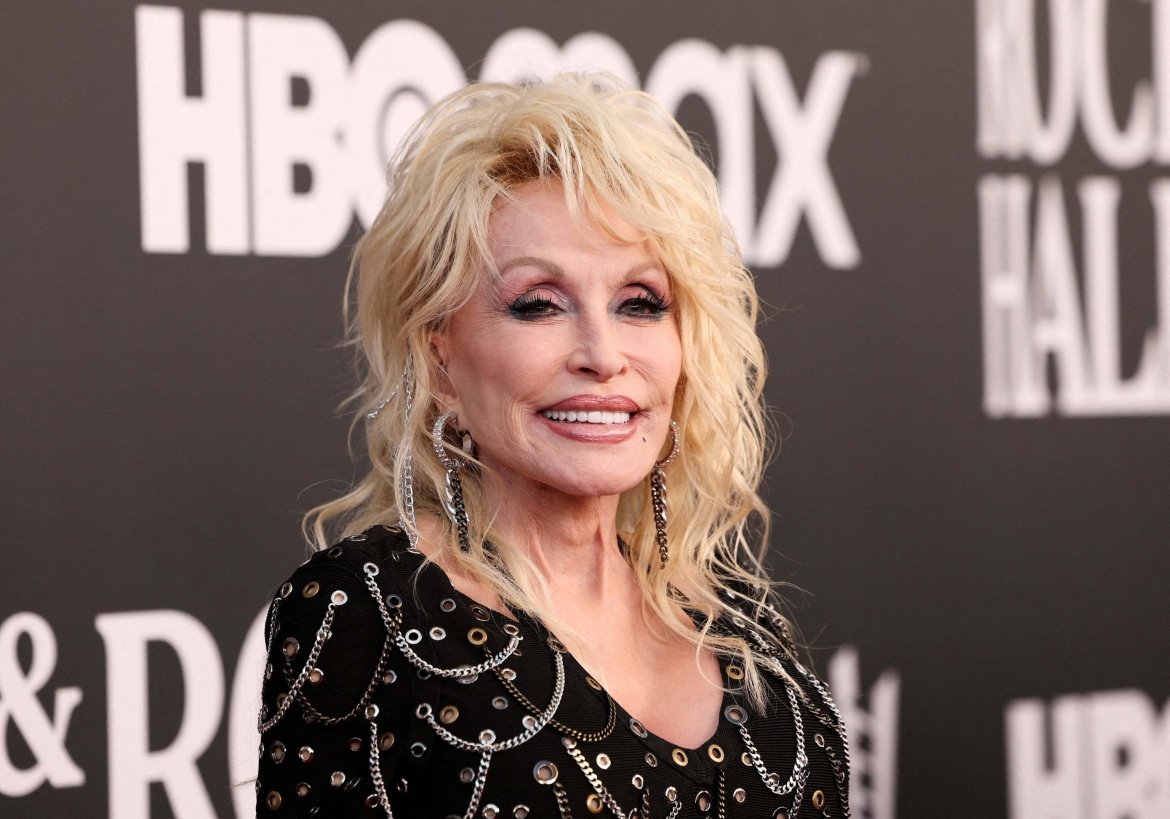
After becoming a member of both the Country Music Hall of Fame and Rock & Roll Hall of Fame.
After selling more than 100 million records.
After giving hundreds of millions of books to children through her Imagination Library.
Dolly still believed there was more.
That is extraordinary.
Most people would look at her career and see a completed masterpiece.
Dolly apparently saw another blank page.
More Than the Hair, Rhinestones and Famous Smile
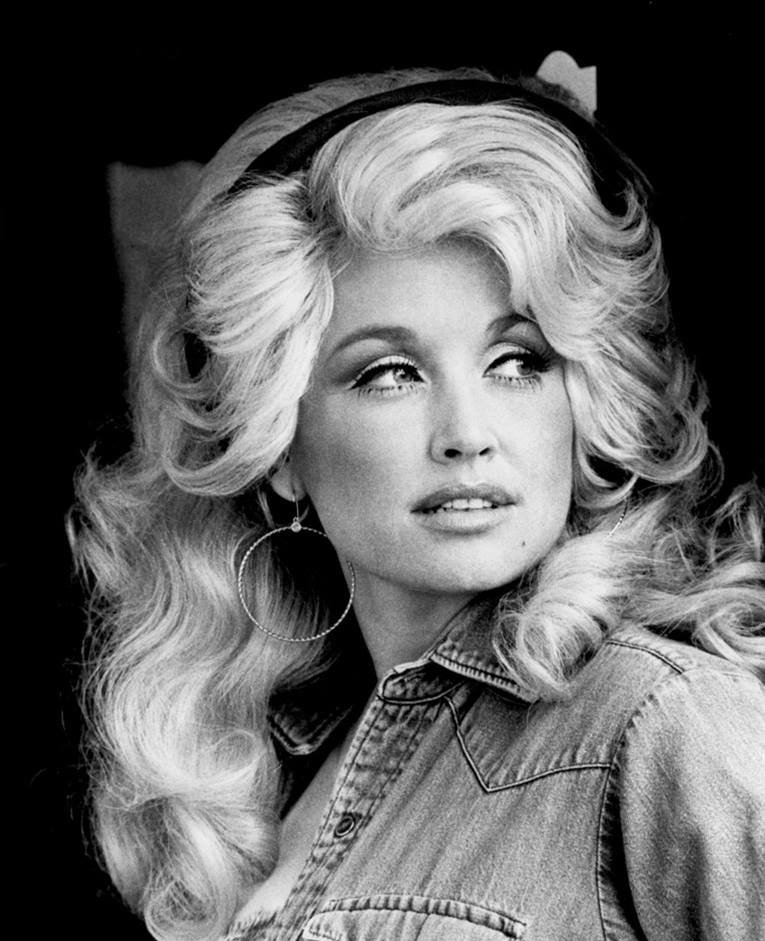
For decades, Dolly played with her own image.
The huge blonde hair.
The dramatic makeup.
The sparkling outfits.
She made jokes about all of it before anyone else could.
But underneath that carefully constructed glamour was one of America’s most gifted songwriters.
She wrote “Jolene.”
She wrote “Coat of Many Colors.”
She wrote “I Will Always Love You.”
She wrote “9 to 5.”
She turned the details of her life into music that traveled far beyond Tennessee.
And she used the fortune that followed to help other people.
That may ultimately be why her death has generated grief far beyond country music.
People did not merely admire Dolly.
They trusted her.
Her Final Battle Does Not Define Her
Cancer was the final battle.
It was not the story.
Dolly Parton’s story began in poverty in the Smoky Mountains and somehow expanded until her songs were being heard all over the world.
It includes a little girl dreaming about Nashville.
A songwriter refusing to surrender ownership of her music.
A woman building a business empire while joking about herself every step of the way.
A wife loving the same private man for nearly 60 years.
A philanthropist sending books to children she would never meet.
And an 80-year-old woman, facing serious illness, still telling people:
I’m working. I’m dreaming. I’m not finished yet.
Dolly ultimately lost her battle with cancer.
But even near the end, the disease apparently never managed to take the quality that had defined her life:
hope.
The blonde hair became iconic.
The rhinestones became legendary.
The voice became unmistakable.
But Dolly Parton’s real legacy was something harder to pH๏τograph.
Courage.
Generosity.
Humor.
Faith.
And the stubborn belief that tomorrow could still hold something worth dreaming about.
The world lost Dolly Parton at 80.
But the woman who wrote “I Will Always Love You” left millions with a farewell she had unknowingly written decades before.
The singer is gone.
The love isn’t.